
Generator and Fuel Prep: A Smarter Storm Season Checklist
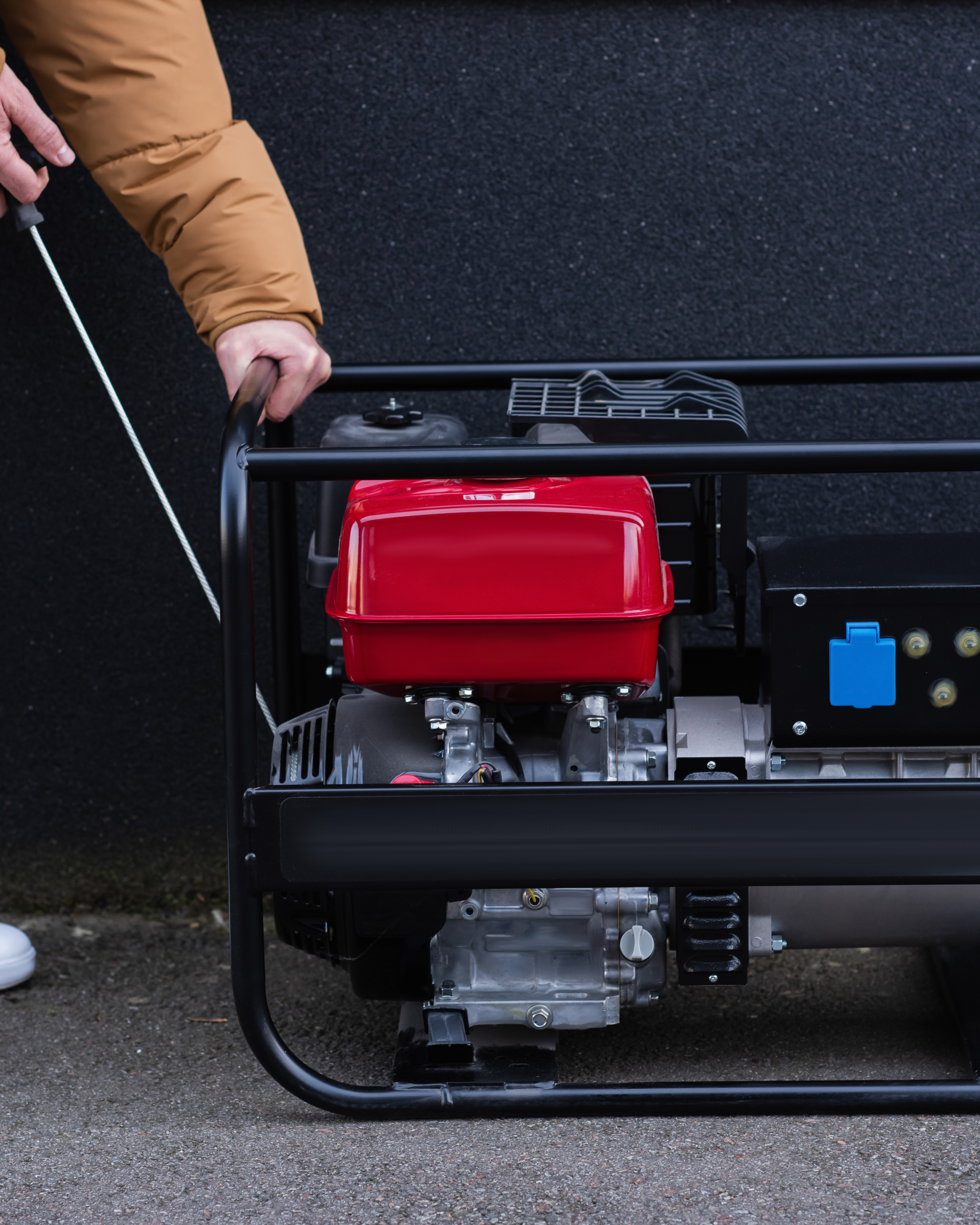
Storm season has a way of exposing what was not prepared.
A generator that has not been tested. Fuel that has been sitting too long. A pump that will not start. A small engine that runs rough right when it is needed most.
For Gulf Coast homes, businesses, marinas, contractors, and municipalities, preparation is not just about supplies — it is about systems. The equipment that supports backup power, cleanup, drainage, transportation, and recovery needs to be ready before the first warning is issued.
That is where Duravi fits into a smarter storm season checklist.
The Equipment You Depend On Deserves a Readiness Plan
Most people do not think about their generator until the power goes out. By then, it may be too late to correct mechanical issues, fuel problems, startup failure, or poor performance.
Storm prep should happen before the season peaks, not during the rush for fuel, batteries, and supplies. If your post-storm plan depends on generators, pumps, pressure washers, chainsaws, small engine tools, marine equipment, stored fuel, utility vehicles, or jobsite equipment, your pre-storm plan should include them.
Why Generators Need More Than a Quick Test Run
A generator may sit unused for months. During that time, fuel can degrade, moisture can collect, moving parts can experience stress, and small issues can go unnoticed.
A quick startup test is helpful, but it should not be the only step. During extended outages, generators may run for long periods under demanding conditions. That creates heat, friction, vibration, and wear — the exact conditions Duravi is designed to help address.
Duravi’s surface technology helps support smoother operation by reducing friction and protecting metal surfaces inside critical mechanical systems. For storm season, that means helping equipment operate more efficiently and reliably when downtime is not an option.
Stored Fuel Is Part of the Emergency System
Fuel is not just a supply item. It is part of the system.
Even a well-maintained generator can struggle if the fuel is compromised. Stored fuel may be affected by age, moisture, heat, contamination, or poor storage conditions. In humid Gulf Coast environments, fuel management should be treated as a key part of seasonal preparation.
Duravi Fuel Enhancer can support a more complete storm readiness plan by helping stabilize and de-water stored fuel while supporting cleaner, more efficient combustion.
Before storm season peaks, users should review how long fuel has been stored, treat fuel before long-term storage, keep containers sealed, rotate older fuel when needed, and make sure fuel is available before demand spikes.
The Gulf Coast Factor
Storm season along the Gulf Coast brings a tough combination of heat, humidity, salt air, heavy rain, flooding, debris, and long periods of emergency operation.
Generators, pumps, and small engines are often expected to perform in conditions they were not stored in or regularly maintained for. That is why proactive preparation matters.
Duravi helps strengthen the reliability side of the plan by supporting reduced friction, lower heat generation, improved operating efficiency, better surface protection, reduced wear under load, longer equipment life, and fewer preventable interruptions.
For homeowners, that can mean more confidence in backup power. For contractors, it can mean more dependable tools during cleanup and response. For municipalities and facilities, it can mean fewer avoidable disruptions during critical operations.
A Practical Duravi Storm Season Checklist
Before storm season peaks:
Inspect generators, pumps, chainsaws, pressure washers, and small engine equipment.
Check oil, filters, spark plugs, cords, hoses, and visible wear.
Run equipment before you need it.
Treat engines and moving parts as part of seasonal maintenance.
Check the age and condition of stored fuel.
Treat stored fuel to support stability and moisture control.
Store fuel in approved, sealed containers away from heat.
Rotate fuel as needed and plan quantities based on realistic run time.
Keep equipment dry, accessible, and protected from flooding.
Never run a generator indoors, in a garage, or near open windows.
Install working carbon monoxide detectors.
Follow all manufacturer instructions and local safety regulations.
Readiness Is a System, Not a Last-Minute Task
The best storm plans are built before the storm exists.
Duravi helps users take a more complete approach to seasonal readiness by focusing on the equipment and fuel systems that often get overlooked. It is not just about owning a generator. It is about making sure the generator is ready. It is not just about storing fuel. It is about making sure that fuel is protected.
Storm season will always bring uncertainty. But equipment preparation is one area where homeowners, contractors, and operators can take control.
Treat the equipment. Protect the fuel. Reduce downtime. Stay ready.