

See the equipment.
Review the result.
Compare reported tool life, temperature, vibration and maintenance outcomes. Each case identifies the product, starting condition and observation period.
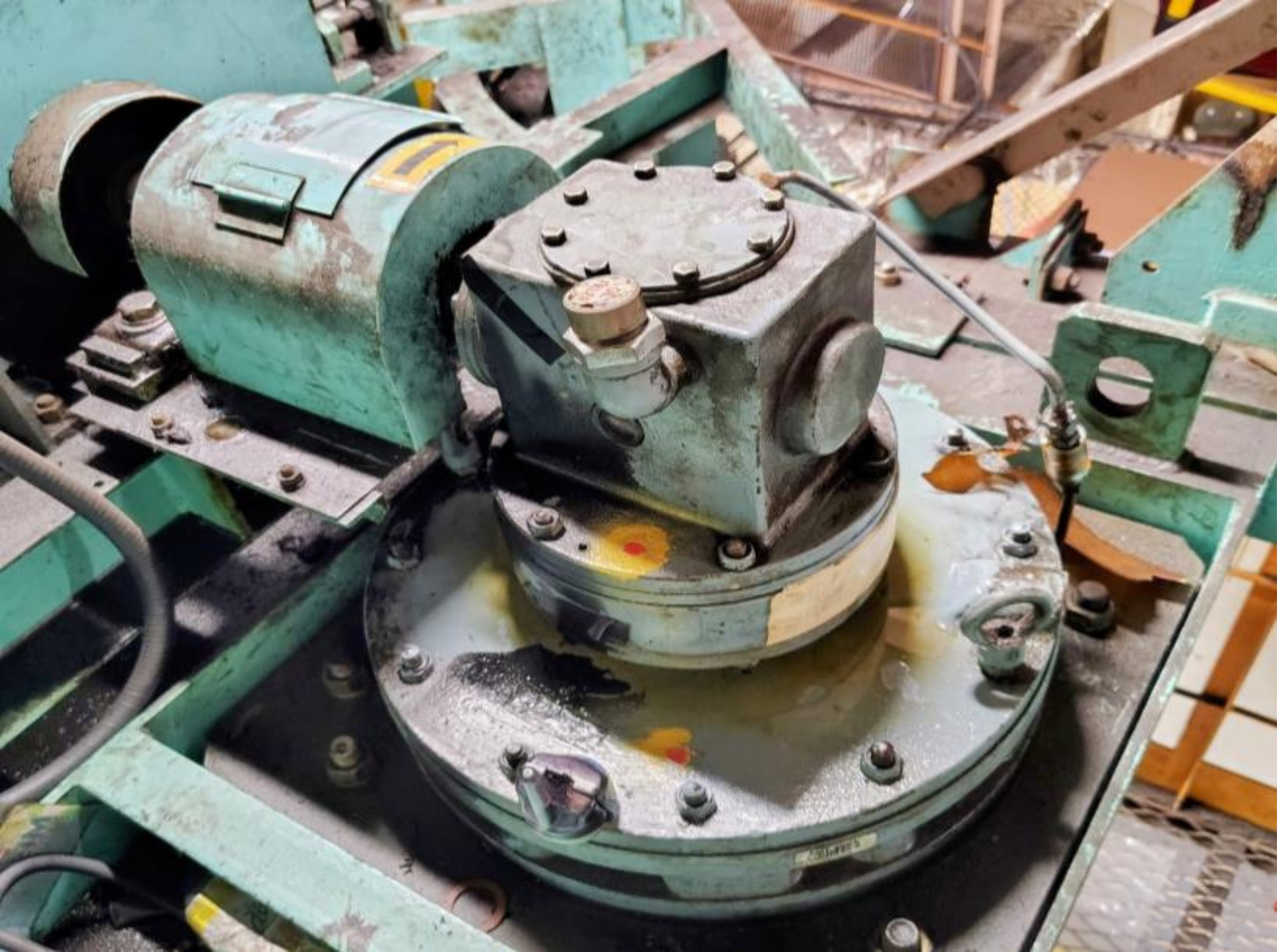
Sumitomo Cyclo Drive gearbox · VGF5-2948 · Duravi Catalyst
reported operating temperature
Vibration: .082g → .005g
Cooler running in a Ford gearbox.
Temperature and vibration fell below the reference readings stated in this case.
Equipment, test method + conditions
- Application
- Sumitomo Cyclo Drive gearbox · VGF5-2948
- Duravi product
- Duravi Catalyst
- Baseline / comparison
- Vibration: .082g → .005g
- Test method
- Reported operating-temperature and vibration readings before and after treatment.
- Measured result
- After treatment, temperature averaged 92°F and vibration averaged .005g in the documented application.
- Observation period
- Temperature and vibration returned to the reported safe operating conditions within the eight-hour shift.
- Evidence type
- Reported field application
- Source
- Duravi product line and field case studies · page 13
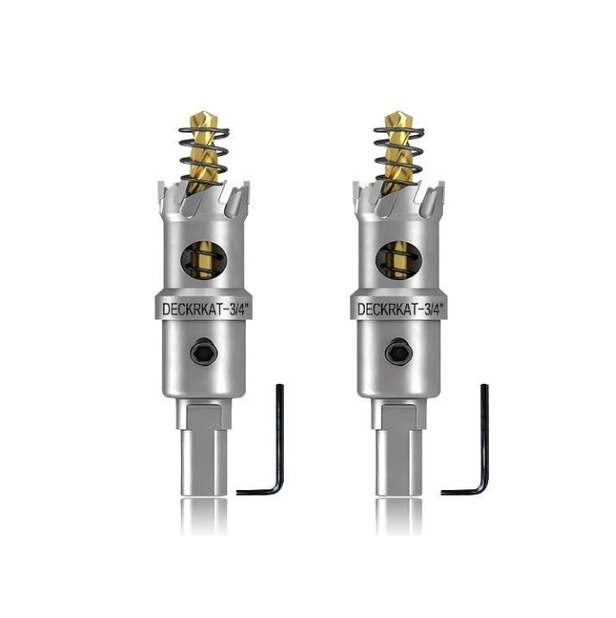
Stainless-steel hole cutting · Duravi MCS
cuts per bit
Previously: 4–6 cuts per bit
More cuts. Fewer bit changes.
More cuts from each bit meant fewer tool changes during the documented task.
Equipment, test method + conditions
- Application
- Stainless-steel hole cutting
- Duravi product
- Duravi MCS
- Baseline / comparison
- Previously: 4–6 cuts per bit
- Test method
- Two-week application pilot comparing cuts per bit.
- Measured result
- During the two-week MCS pilot, the reported result was 20–25 cuts per bit.
- Observation period
- Two-week pilot beginning February 2, 2026
- Evidence type
- Reported field application
- Source
- Duravi product line and field case studies · page 18
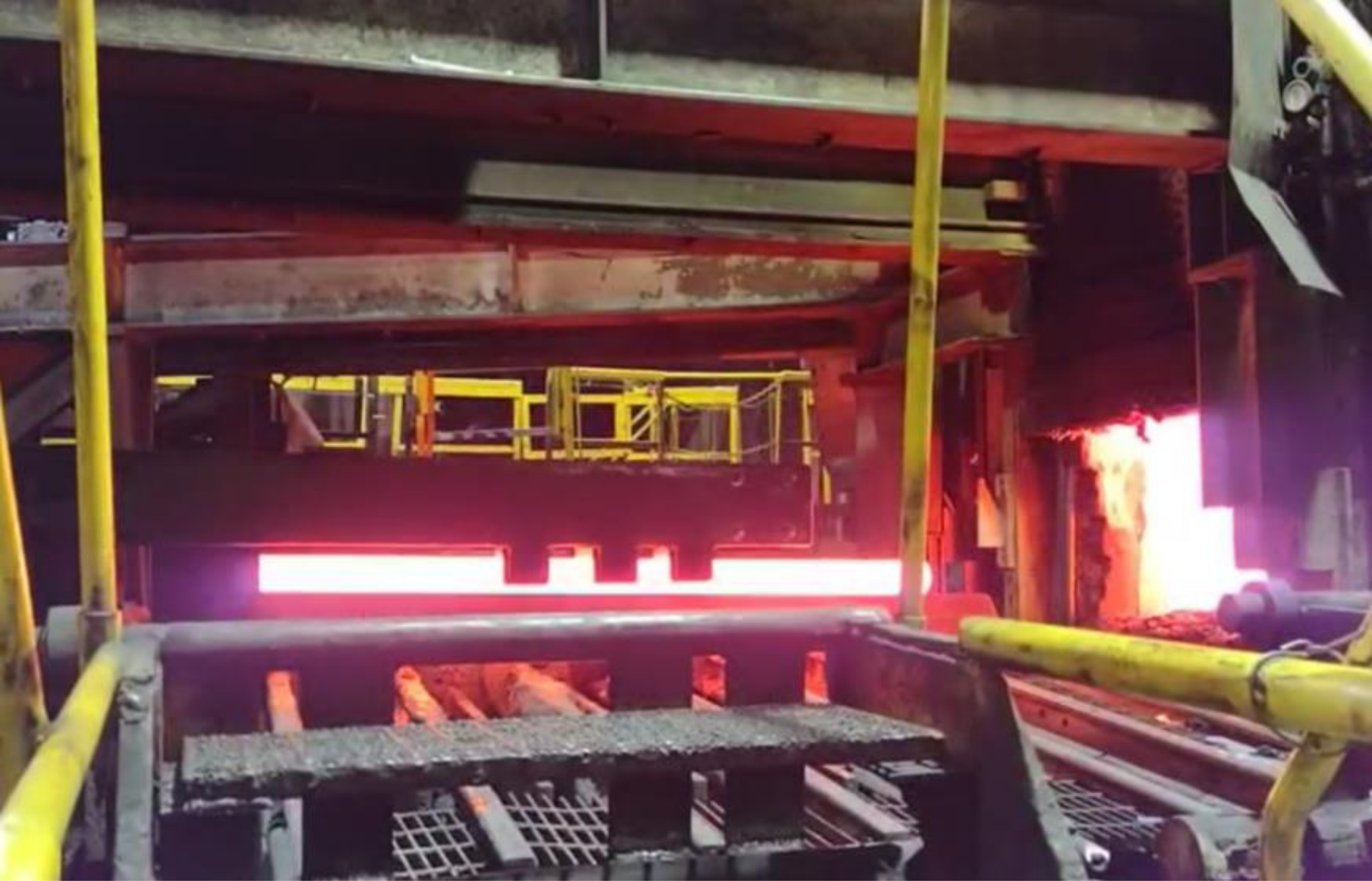
Rotary-furnace bearings · Duravi GP Grease
reported replacements during the documented period
Previously: replacement every 3–4 weeks
Breaking a recurring bearing-replacement cycle.
The operator reported no replacements during the follow-up, after previously changing bearings every three to four weeks.
Equipment, test method + conditions
- Application
- Rotary-furnace bearings
- Duravi product
- Duravi GP Grease
- Baseline / comparison
- Previously: replacement every 3–4 weeks
- Test method
- Reported bearing-replacement history; supplementary 24-hour heat and water-emulsification tests.
- Measured result
- The case summary reports treatment beginning in November 2021, with no bearing replacements during the documented follow-up period.
- Observation period
- Reported follow-up after treatment began in November 2021.
- Evidence type
- Reported field application
- Source
- Duravi product line and field case studies · page 9
Reported gearbox vibration
Before-and-after comparison · treatment marked April 16
Before: nearly 1.0 in/s. After: below 0.5 in/s.
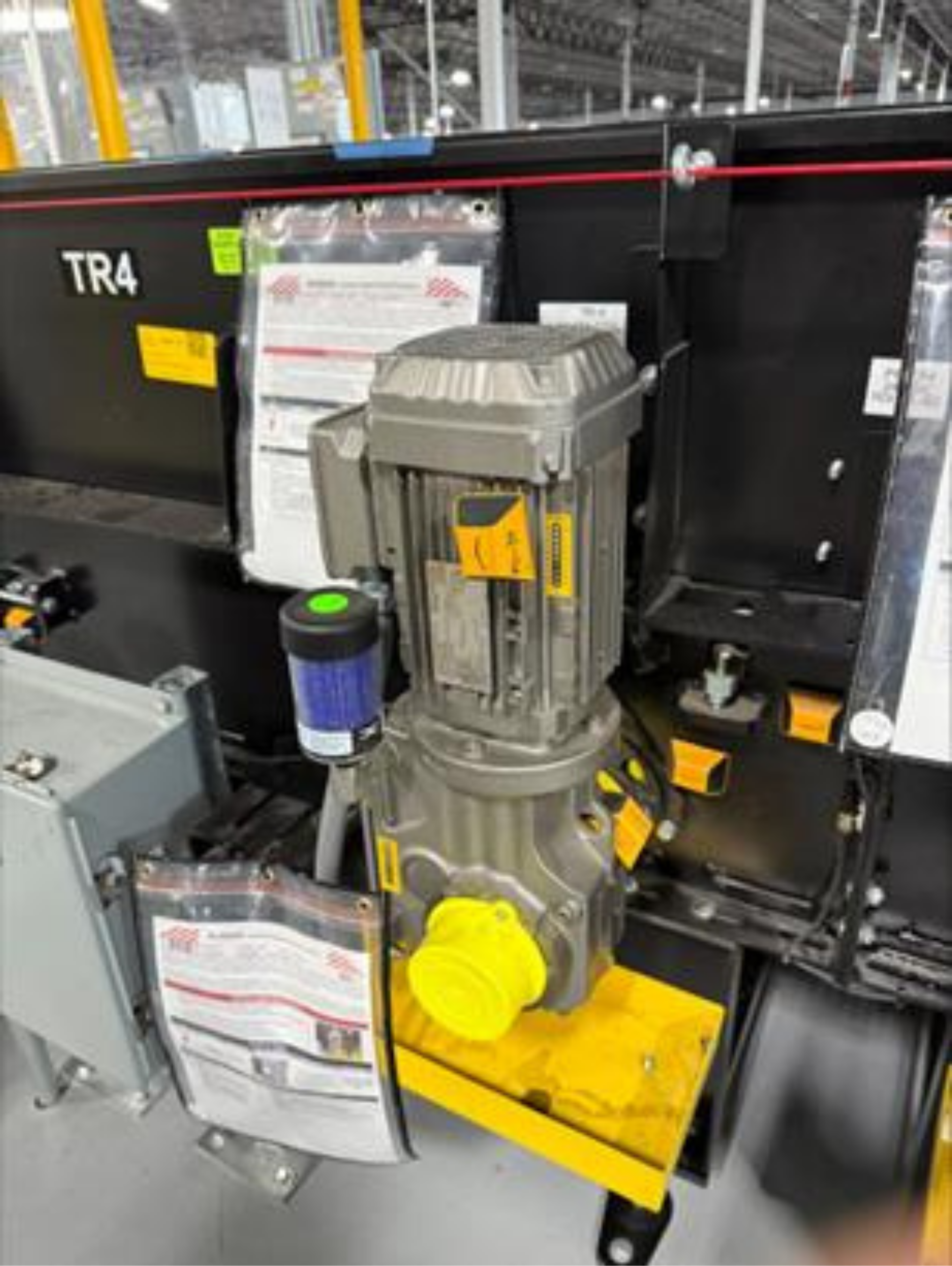
Distribution-center gearbox · Duravi Grease
lower reported vibration
Nearly 1.0 in/s → below 0.5 in/s
Lower vibration in a distribution-center gearbox.
The vibration readings fell from nearly 1.0 in/s to below 0.5 in/s, giving the maintenance team a measurable before-and-after comparison.
Equipment, test method + conditions
- Application
- Distribution-center gearbox
- Duravi product
- Duravi Grease
- Baseline / comparison
- Nearly 1.0 in/s → below 0.5 in/s
- Test method
- Reported vibration readings over time, expressed in inches per second.
- Measured result
- The published field account reports an initial vibration reduction of nearly 50%, stabilizing below 0.5 in/s over time.
- Observation period
- Testing began April 16; subsequent readings are shown in the original chart.
- Evidence type
- Reported field application
- Source
- Duravi product line and field case studies · page 16
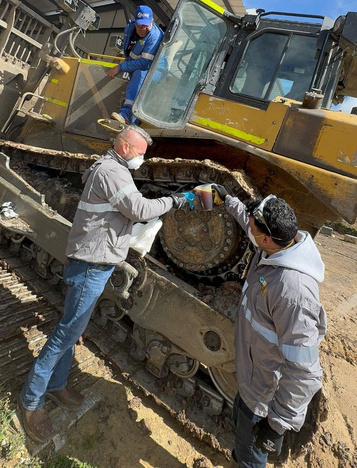
Landfill equipment and corrosion-control program · Duravi Grease + anti-corrosive treatment
lower reported machine failure rate
Six-month reported outcome
A maintenance program with fewer failures.
Reliability and maintenance workload improved together in the reported program.
Equipment, test method + conditions
- Application
- Landfill equipment and corrosion-control program
- Duravi product
- Duravi Grease + anti-corrosive treatment
- Baseline / comparison
- Six-month reported outcome
- Test method
- Reported maintenance-program comparison after six months.
- Measured result
- The case summary reports a 66% lower machine failure rate, alongside 35% less grease use and six fewer downtime hours per machine per month.
- Observation period
- Six months
- Evidence type
- Reported field application
- Source
- Duravi product line and field case studies · page 17
Bearings, hydraulics
and heavy-load equipment.
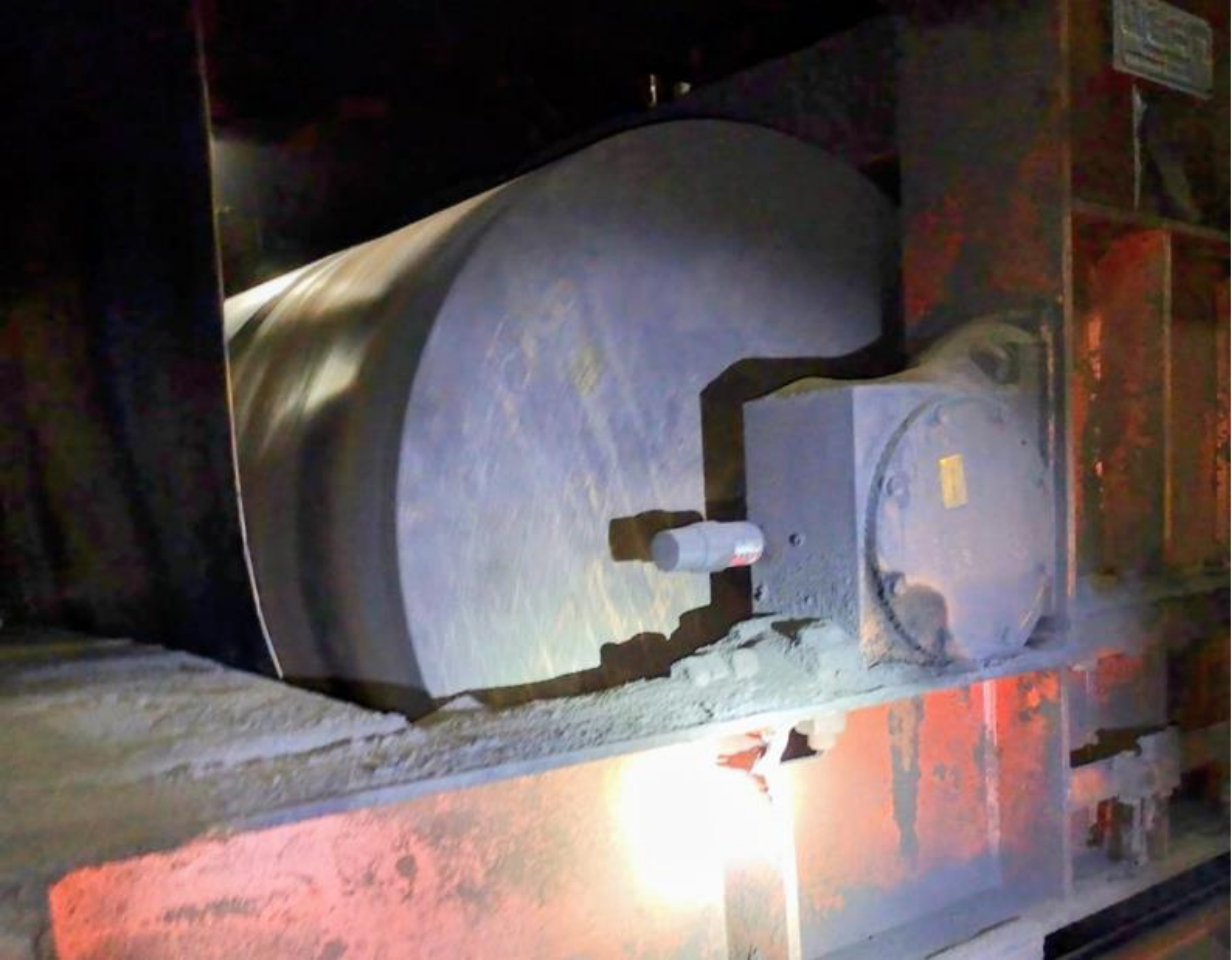
Addressing corrosion in roll-stand bearings.
Roll-stand bearings
View full case study ↗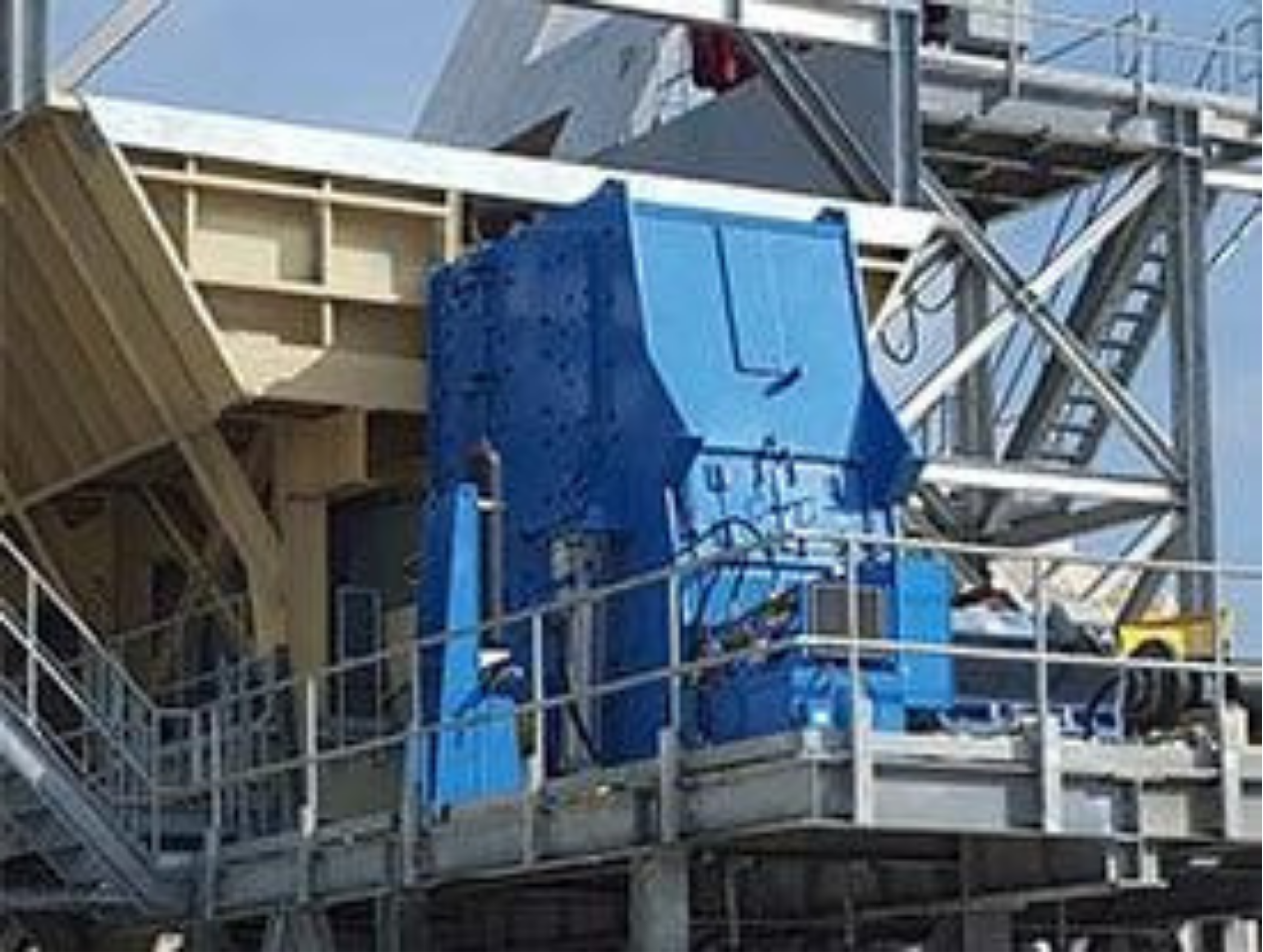
Lower heat at high-load crusher bearings.
Coke-crusher bearings
View full case study ↗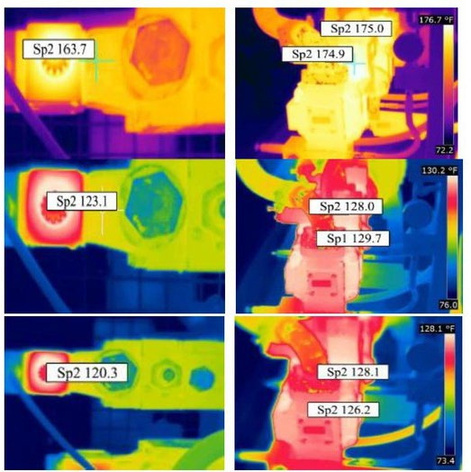
Lower pump and valve temperatures.
High-temperature hydraulic system
View full case study ↗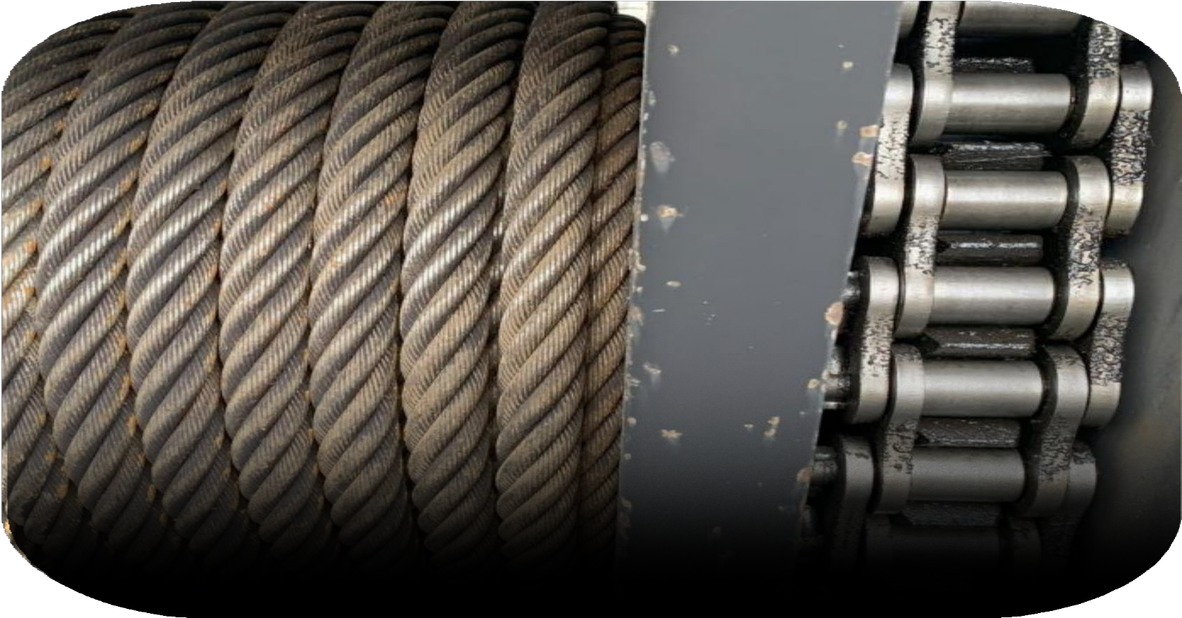
Longer cable service under heavy loads.
High-load cable winch
View full case study ↗Wear and hardness
under laboratory testing.
Wear, microhardness and surface structure under the reported test conditions.
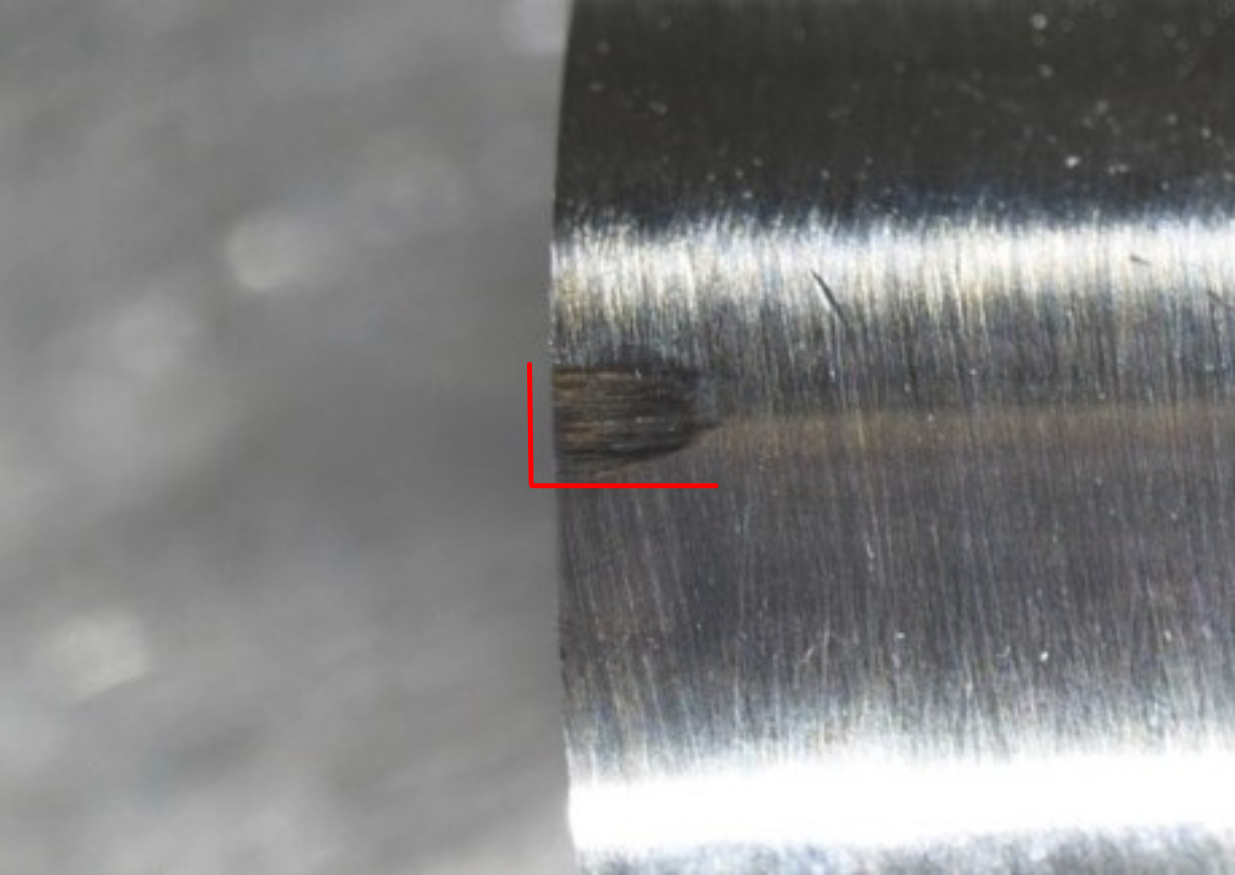
RTI wear analysis
Compare treated surfaces under the reported bearing-test load.
See the evidence ↗Hardness test at RTI Lab
Compare the published test values or explore the material reference ranges.
Select or hover over a bar to inspect its value.
Microhardness + morphology
Examine surface hardness and near-surface grain structure.
See the evidence ↗
Need help choosing
a Duravi product?
Tell us the equipment, the product you use now and the maintenance problem you want to address.